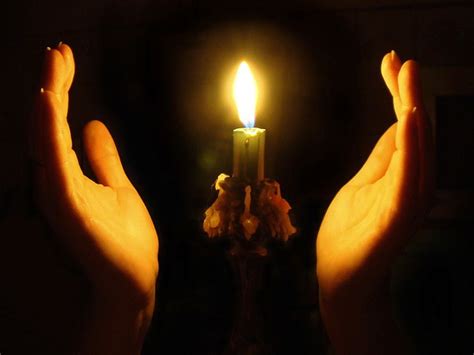
Scripture: Psalm 18:28 — Integrated Discussion With Commentary Sources
Theme: Creation as cosmic + internal; light as consciousness; darkness as potential
28For thou wilt light my candle: the Lord my God will enlighten my darkness.
—Psalms 18:28
Matthew Henry’s Commentary on Psalm 18:28
Henry explains that God “lights the candle” by giving guidance, understanding, and renewed strength, and that “darkness” represents ignorance, confusion, or distress.
He writes that God “dispels the darkness of affliction and brings the light of comfort and direction.”
Treasury of David (Charles Spurgeon)
Spurgeon notes that the “candle” symbolizes the inner life of the believer, and that God Himself is the one who “kindles and rekindles” the flame.
He adds that “darkness” refers to the soul’s obscurity before divine illumination.
Keil & Delitzsch Commentary
They interpret the verse as God illuminating the inward spirit, not merely providing external guidance.
They emphasize that the Hebrew imagery points to inner enlightenment, not just physical light.
Integrated Meaning
The same God who spoke light into the cosmos (Genesis 1) now speaks light into the inner world of the believer.
Creation is not only something God did, it is something God does in us.
Esoteric Source #1 — The Secret Teachings of All Ages (Manly P. Hall)
Pages 38–40 (Tarcher/Penguin Edition)
Hall explains that in ancient cosmologies, light represents consciousness awakening, and darkness represents the undifferentiated potential from which creation emerges.
He writes that light is “the illumination of mind,” while darkness is “the womb of unmanifested being.”
Relevance to Psalm 18:28:
God lighting the candle mirrors the ancient idea of consciousness emerging from the void.
Esoteric Source #2 — The Kybalion (Three Initiates)
Pages 15–18, 35–38 (Centenary Edition)
- The Principle of Mentalism teaches that “All is Mind,” meaning creation begins as a movement of consciousness.
- The Principle of Polarity frames light and darkness as complementary states — light as active awareness, darkness as latent potential.
Relevance to Psalm 18:28:
God enlightening darkness reflects the Hermetic idea that divine mind activates dormant consciousness within the individual.

Ancient Wisdom Reflection
Light as Consciousness; Darkness as Unformed Potential
Scripture Support
- “The spirit of man is the candle of the Lord…” (Proverbs 20:27)
- “The entrance of thy words giveth light…” (Psalm 119:130)
Commentary Support
- Spurgeon notes that the “candle” symbolizes the inner spirit, which God illuminates.
- Henry connects divine light with understanding and awakening.
Integrated Meaning
Across ancient traditions, “light” symbolizes:
- Awareness
- Consciousness
- Spiritual perception
And “darkness” symbolizes:
- Unformed potential
- The hidden or unconscious
- The not‑yet‑awakened
Psalm 18:28 fits this perfectly:
- God lights the inner candle → awakening
- God enlightens darkness → transformation of potential
Level 1 — God creates physical light
Psalm 18:28 conveys the Genesis pattern:
God brings illumination where there was none.
Commentary:
Henry and Keil & Delitzsch both connect this verse to God’s creative power to dispel darkness.
Level 2 — Light = awareness; darkness = unconsciousness
The candle symbolizes the human spirit (Proverbs 20:27).
God lights it, awakening inner perception.
Commentary:
Spurgeon: the candle is the inner life.
Henry: darkness = ignorance or confusion.
Esoteric Support:
- Hall: light = consciousness; darkness = unmanifest potential (pp. 38–40).
- Kybalion: light = active awareness; darkness = latent potential (pp. 35–38).
Level 3 — Awakening: God speaks light into our inner world
This verse becomes a map of spiritual transformation:
God ignites the inner flame, turning unformed potential into conscious awareness.
Commentary:
Keil & Delitzsch: this is inner illumination, not external.
Esoteric Support:
- Hall: spiritual initiation is “the calling forth of inner light from the womb of darkness” (pp. 42–44).
- Kybalion: awakening is the realization of one’s unity with Divine Mind (pp. 20–22).
Traditional commentary and esoteric wisdom agree that God’s creative act of bringing light out of darkness is both a cosmic event and an inner awakening, where light represents consciousness and darkness represents the unformed potential within the soul.
Closing for Week Three
As we end Week Three, Psalm 18:28 conveys to us that the God who created light in the beginning is the same God who lights the inner candle of the soul. Traditional commentary shows God bringing clarity where confusion once lived, while ancient wisdom teaches that light is consciousness and darkness is unformed potential.
Together, they reveal a single truth: creation is still happening within us.
Every moment of insight, every shift in awareness, is God speaking light into our inner world. Your darkness is not a flaw — it is the starting point for transformation. And your awakening is God’s ongoing creative work in you.
Closing Prayer
In the name of the Mighty Beloved “I AM” Presence, “I AM,” in me,
Father, Mother God in the Great Central Sun, we thank You for the light You place within us.
As Psalm 18:28 declares, You are the One who lights our candle and enlightens our darkness.
Tonight, we ask that Your creative work continue in us, shaping, forming, and awakening every part of our inner world.
Where there is confusion, bring clarity.
Where there is heaviness, bring illumination.
Where there is unformed potential, speak Your light and call forth new life.
Let Your presence guide our steps and brighten our understanding as we grow in You.
May the light You kindle within us shine steadily in the days ahead. It is so, In the name of the Father, Son, Holy Spirit and Blessed Mother and so it is!
Almighty “I AM!”

The Light of Scriptures Study Portal
Works Cited
Biblical Commentaries
• Keil, C. F., & Delitzsch, F. (2006). Commentary on the Old Testament. Hendrickson Publishers, Peabody, MA.
• Henry, M. (1991). Matthew Henry’s Commentary on the Whole Bible. Hendrickson Publishers.
• Spurgeon, C. H. (1984). The Treasury of David. Hendrickson Publishers.
Esoteric / Comparative Sources
• Hall, M. P. (2003). The Secret Teachings of All Ages. Tarcher/Penguin.
• Three Initiates. (2011). The Kybalion: A Study of the Hermetic Philosophy of Ancient Egypt and Greece (Centenary Edition). Tarcher/Penguin.
Scripture
• The Holy Bible, King James Version.
 Destiny, The Open Door
You must be logged in to post a comment.