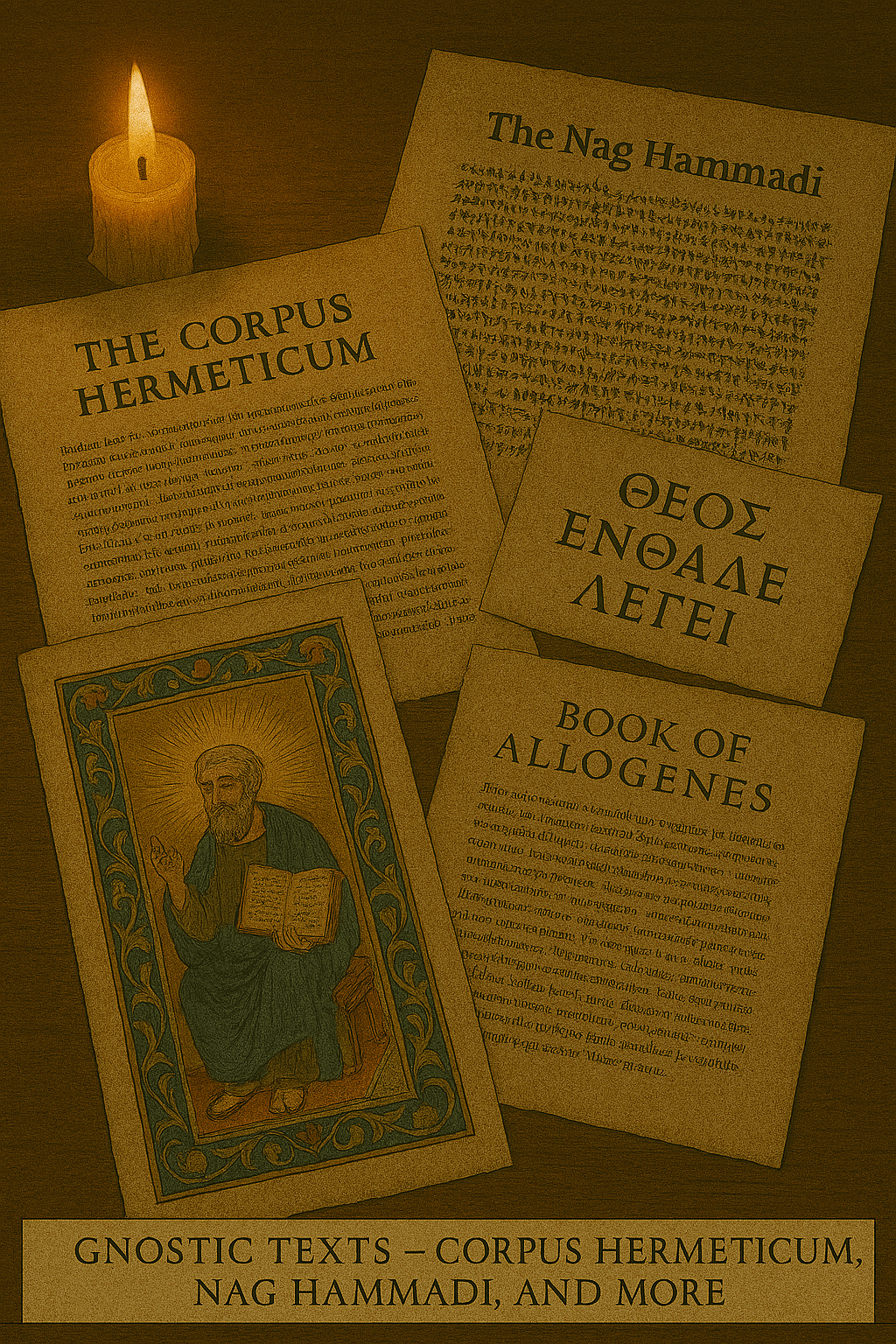
“Within every seeker rests a spark older than the stars, a fragment of the hidden fullness from which all worlds unfold. Those who remember their true origin awaken not through the eyes of the body but through the light within the heart. The material realm whispers its illusions, yet the soul knows a deeper truth: that knowledge is liberation, and to know oneself is to return to the Source. Walk the path inward, traveler, for the kingdom you seek has never been outside you.” – Tammy Dennis

The Gnostic Bible by Willis Barnstone and Mavin Meyer (2003) Shambhala Publications
Starting March 1, 2026 at 6:00p (Eastern Time) will read and discuss chapter one in our Destiny, The Open Door Group on Facebook.
GNOSTICISM, GNOSTICS, ANDTHE GNOSTIC BIBLE
M A R V I N M E Y E R
Know what is in front of your face and what is hidden from you will be disclosed.
—Gospel of Thomas
The gnostics were religious mystics who proclaimed gnosis, knowledge, as the way of salvation. To know oneself truly allowed gnostic men and women to know god1 directly, without any need for the mediation of rabbis, priests, bishops, imams, or other religious officials Religious officials, who were not pleased with such freedom and independ ence, condemned the gnostics as heretical and a threat to the well-being and good order of organized religion. Heresiologists—heresy hunters of a bygone age who busied themselves exposing people judged dangerous to the Christian masses—fulminated against what they maintained was the falsehood of the gnostics. Nonetheless, from the challenge of this perceived threat came much of the theological reflection that has characterized the intellectual history of the Christian church.
The historical roots of the gnostics reach back into the time of the Greeks, Romans, and Second Temple Jews. Some gnostics were Jewish, others Greco-Roman, and many were Christian.
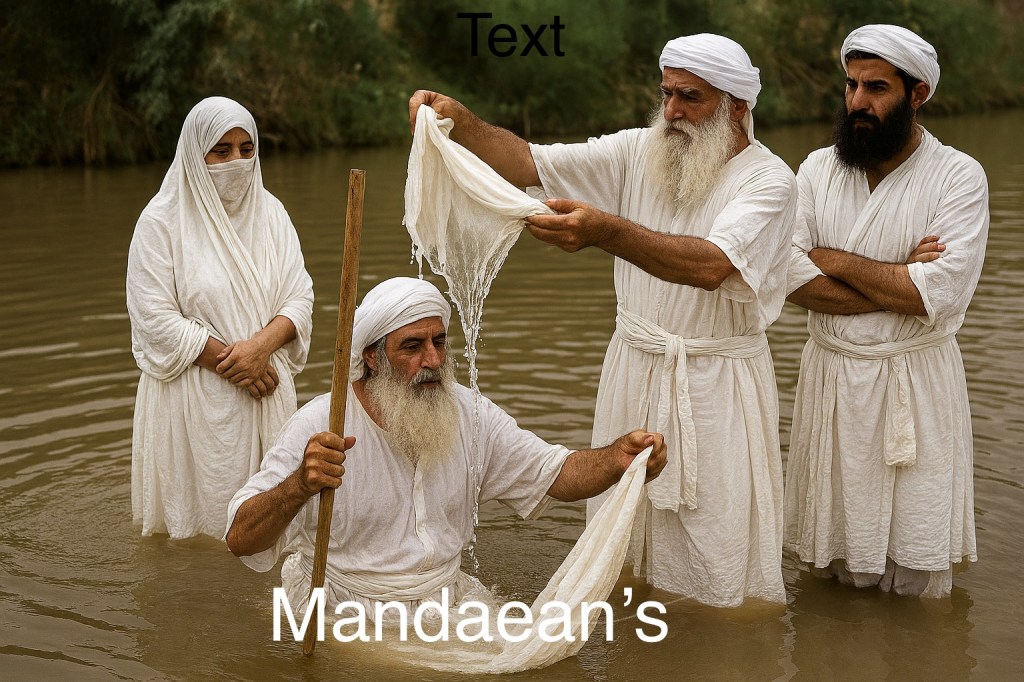
There were Mandaean gnostics from Iraq and Iran;
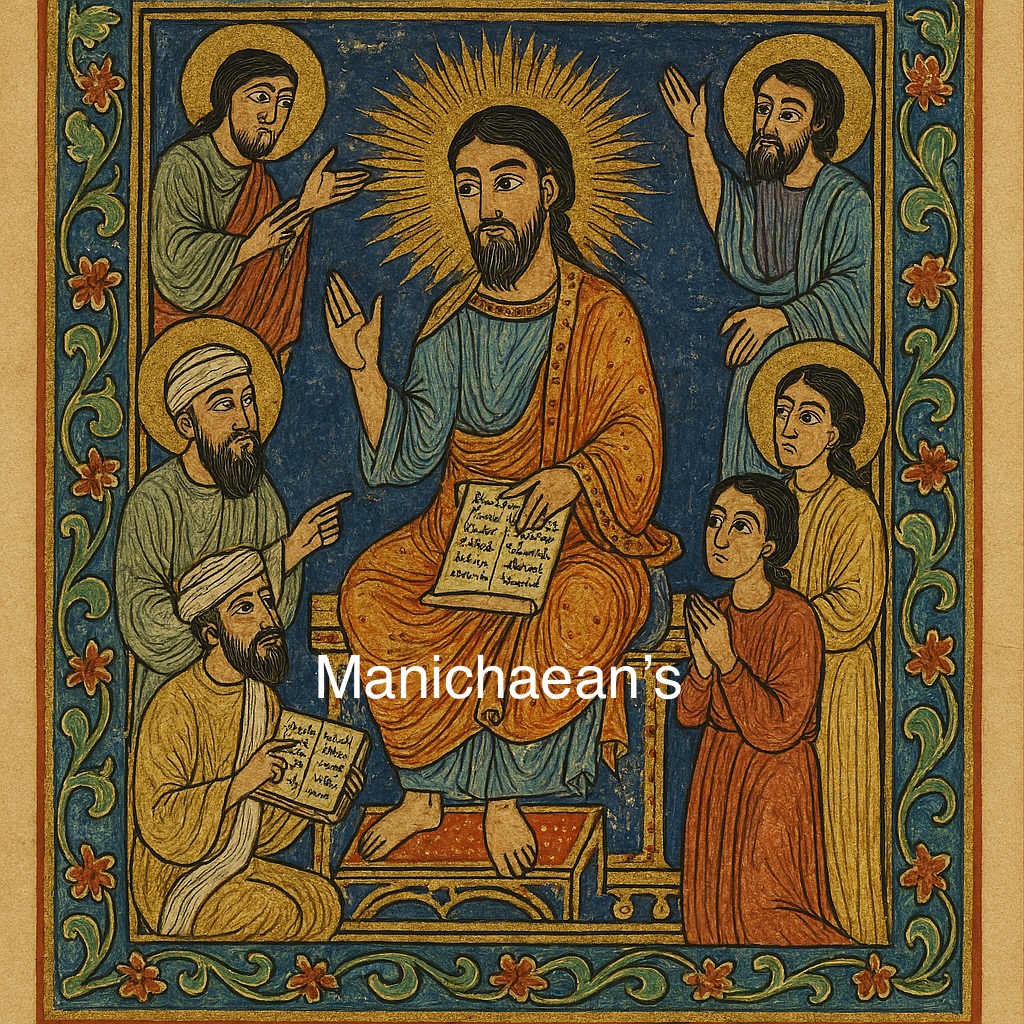
Manichaeans from Europe, the Middle East, North Africa, and all the way to China;
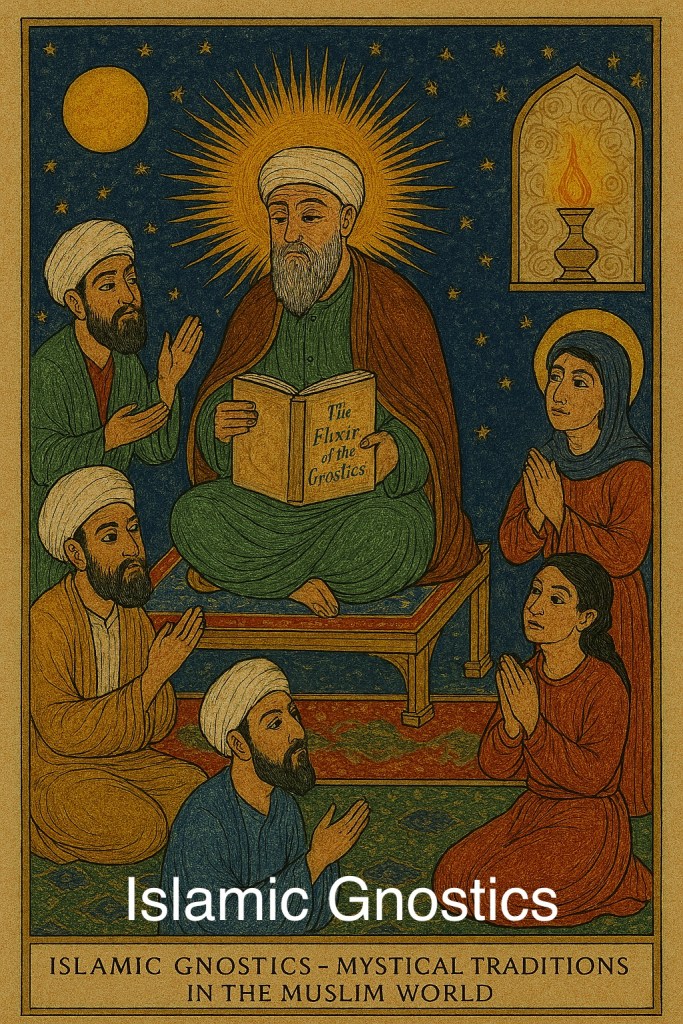
Islamic gnostics in the Muslim world;
and Cathars in western Europe.
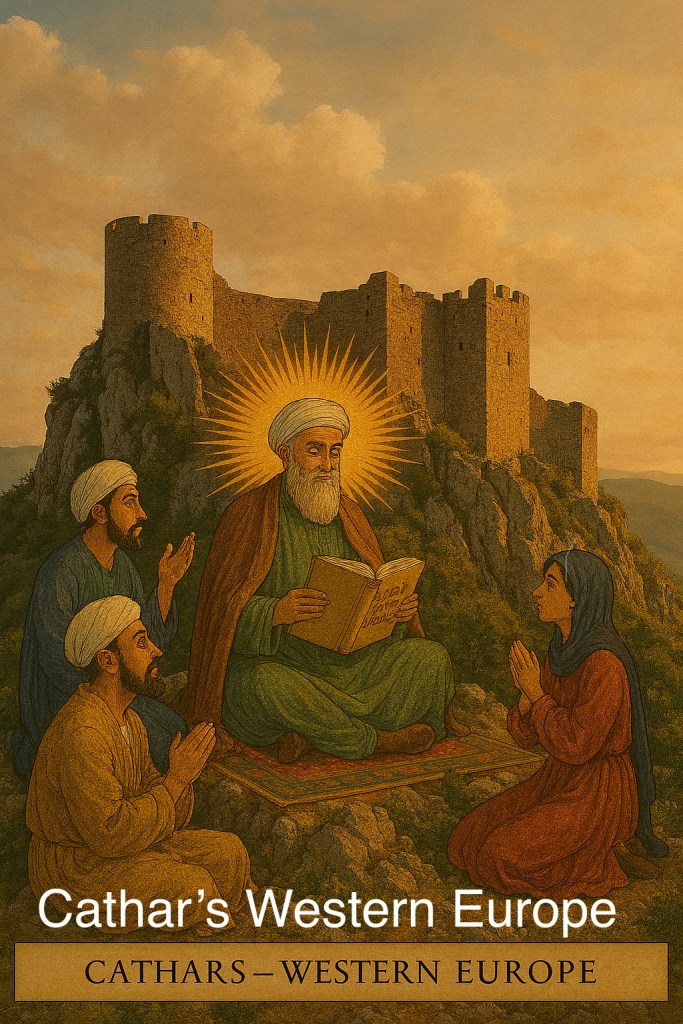
The heyday of their influence extends from the second century CE through the next several centuries. Their influence and their presence, some say, continue to the present day.
Gnostics sought knowledge and wisdom from many different sources, and they accepted insight wherever it could be found. Like those who came before them, they embraced a personified wisdom, Sophia, understood variously and taken as the manifestation of divine insight. To gain knowledge of the deep things of god, gnostics read and studied diverse religious and philosophical texts. In addition to Jewish sacred literature, Christian documents, and Greco-Roman religious and philosophical texts, gnostics studied religious works from the Egyptians, Mesopotamians, Zoroastrians, Muslims, and Buddhists. All such sacred texts disclosed truths, and all were to be celebrated for their wisdom.
Gnostics loved to explore who they were and from where they had come, and hence they read creation stories such as the opening chapters of Genesis with vigor and enthusiasm. Like others, they recognized that creation stories not only claim to describe what was, once upon a time, but also suggest what is, now, in our own world. The gnostics carried to their reading a conviction that the story of creation was not a happy one. There is, they reasoned, something fundamentally wrong with the world, there is too much evil and pain and death in the world, and so there must have been something wrong with creation.
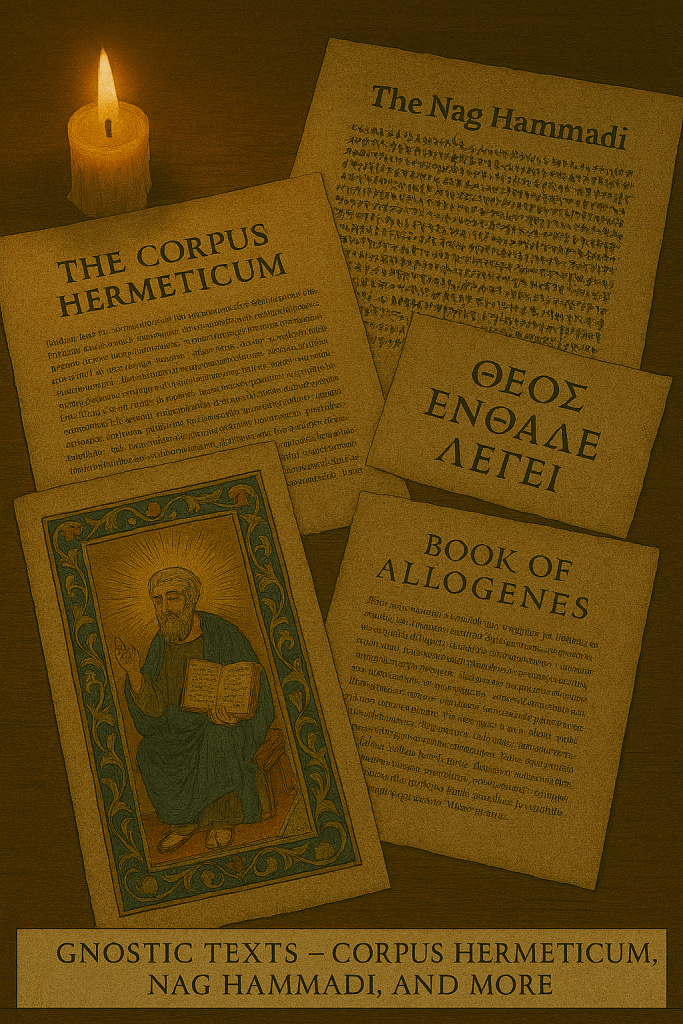
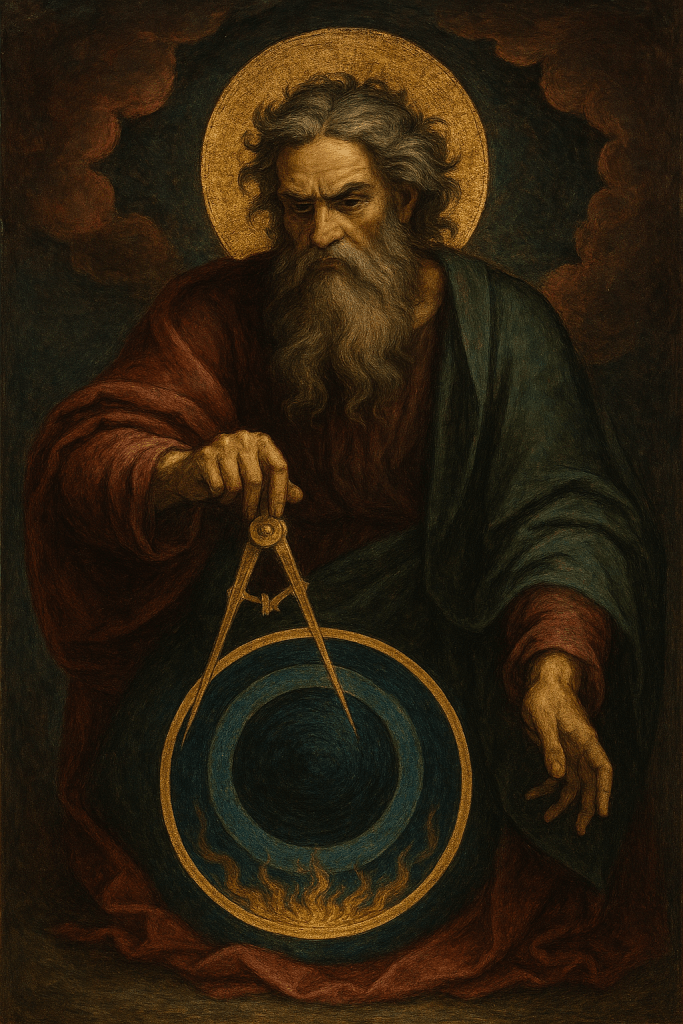
Consequently, gnostics provided innovative and oftentimes disturbing interpretations of the creation stories they read. They concluded that a distinction, often a dualistic distinction, must be made between the transcendent spiritual deity, who is surrounded by aeons and is all wisdom and light, and no the creator of the world, who is at best incompetent and at worst malevolent.
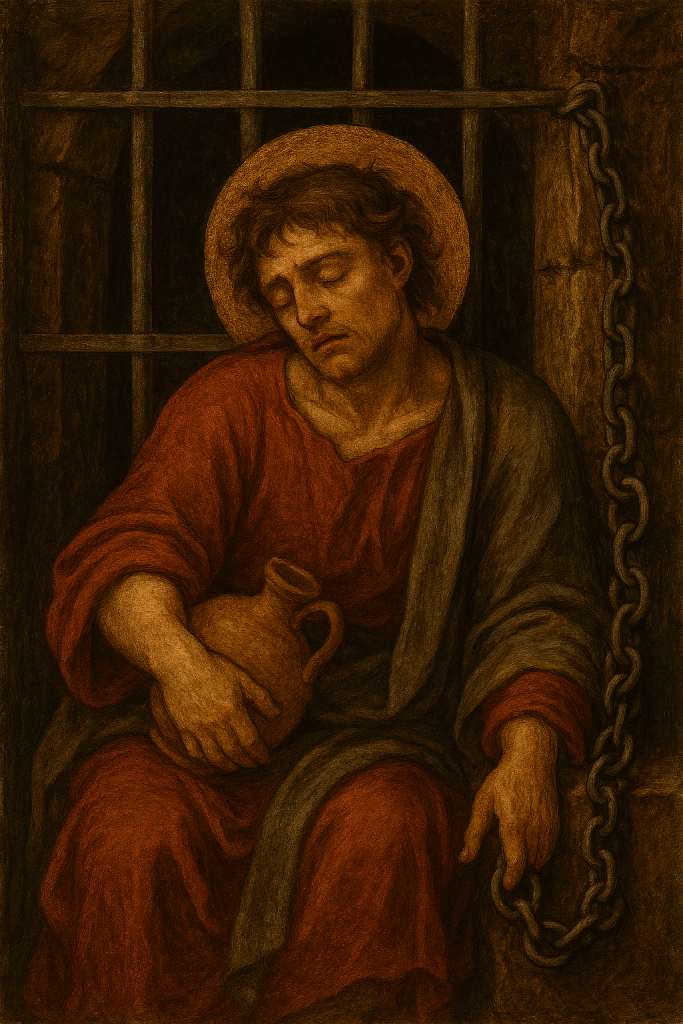
Yet through everything, they maintained, a spark of transcendent knowledge, wisdom, and light persists within people who are in the know. The transcendent deity is the source of that enlightened life and light. The meaning of the creation drama, when properly understood, is that human beings, gnostics in particular, derive their knowledge and light from the transcendent god, but through the mean-spirited actions of the demiurge, the creator of the world, they have been confined within this world. (The platonic aspects of this imagery are apparent.) Humans in this world are imprisoned, asleep, drunken, fallen, ignorant. They need to find themselves—to be freed, awakened, made sober, raised, and enlightened. In other words, they need to return to gnosis.
This distinction between a transcendent god and the creator of the world is all the more remarkable when it is recalled that many of the earliest gnostic thinkers who made such a distinction seem to have been Jews. What might have led them to such a conclusion that seems to fly in the face of Jewish monotheistic affirmations? Could it have been the experience of the political and social trauma of the time, culminating in the destruction of the Second Temple in 70 CE, which prompted serious reflection upon the problem of evil and stimulated the production of Jewish apocalyptic compositions? Could it have been the reflection of hellenistic Jewish thinkers who were schooled in Judaica and Greek philosophy and recognized the deep philosophical and theological issues surrounding the transcendence of the high god and the need for cosmic intermediaries to be involved with this world?
Could it have been that among the creative Jewish minds, representative of the rich diversity of Judaism during the first centuries before and of the Common Era, who boldly addressed the real challenges of Jewish mysticism before Kabbalah, of the wisdom and Hokhmah of god, of world-wrenching apocalyptic, of theodicy and evil in the world, there were those who finally drew gnostic conclusions? We know the names of some of these creative Jewish people: John the baptizer, who initiated Jesus of Nazareth and preached apocalyptic ideas in the vicinity of Qumran, where Covenanters and Essenes practiced their separatist, ethical dualism; Simon Magus and Dositheos, who lived about the same time as Jesus and advocated their ideas in Samaria and beyond; Philo of Alexandria, a hellenistic Jewish thinker who provided Greek philosophical perspectives on the Hebrew Bible; Rabbi Elisha ben Abuya, nicknamed Aher, “Other,” who dabbled in dualism; and there were more. We shall encounter some of these Jewish thinkers in this volume. John the baptizer becomes the gnostic hero of the Mandaeans, Jesus of the Christian gnostics. Simon Magus may lurk in the back ground of several gnostic texts, and Dositheos is said to be the compiler of the Three Steles of Seth. Others, mostly unnamed, may have made similar contributions to the discussion of the profound question of the transcendent god and the demiurge.
The role of the gnostic savior or revealer is to awaken people who are under the spell of the demiurge—not, as in the case of the Christ of the emerging orthodox church, to die for the salvation of people, to be a sacrifice for sins, or to rise from the dead on Easter. The gnostic revealer discloses knowledge that frees and awakens people, and that helps them recall who they are. When enlightened, gnostics can live a life appropriate for those who know themselves and god. They can return back to the beginning, when they were one with god.
Such a life transcends what is mundane and mortal in this world and experiences the bliss of oneness with the divine. As the divine forethought, or Christ, in the Secret Book of John says to a person, every person, in the pit of the underworld, “I am the forethought of pure light, I am the thought of the virgin spirit, who raises you to a place of honor. Arise, remember that you have heard, and trace your root, which is I, the compassionate.“
Gnostic literature includes a typical cast of spiritual or mythological figures and realms, but they are referred to by different names.
Above and beyond all is the transcendent deity. In the Book of Baruch this deity is called the Good and is identified with the fertility god Priapos. In the Secret Book of John and elsewhere this deity is called the One, or monad, as well as the invisible spirit, virgin spirit, and father. It is said that the One should not be confused with a god, since it is greater than a god. Elsewhere the transcendent is called the boundless, depth, majesty, light. Poimandres reveals itself as the light, mind, first god. Mandaeans call this deity the great life and lord of greatness, Manichaeans the father of greatness, Muslim mystics the exalted king, Cathars the invisible father, true god, good god.
The glory of the transcendent is made manifest in a heavenly world of light. In the classic literature of gnostic wisdom this exalted world is often called the pleroma or fullness of god, and the inhabitants of this world are called aeons or eternal realms. The first of the aeons is usually the divine mother. For Simon Magus she is Helena, or ennoia, the thought of god. In the Secret Book of John she is Barbelo, or pronoia, the first thought or forethought of god. Thunder, in the text by that name, has certain similarities as well.
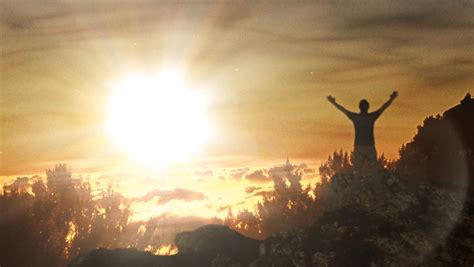
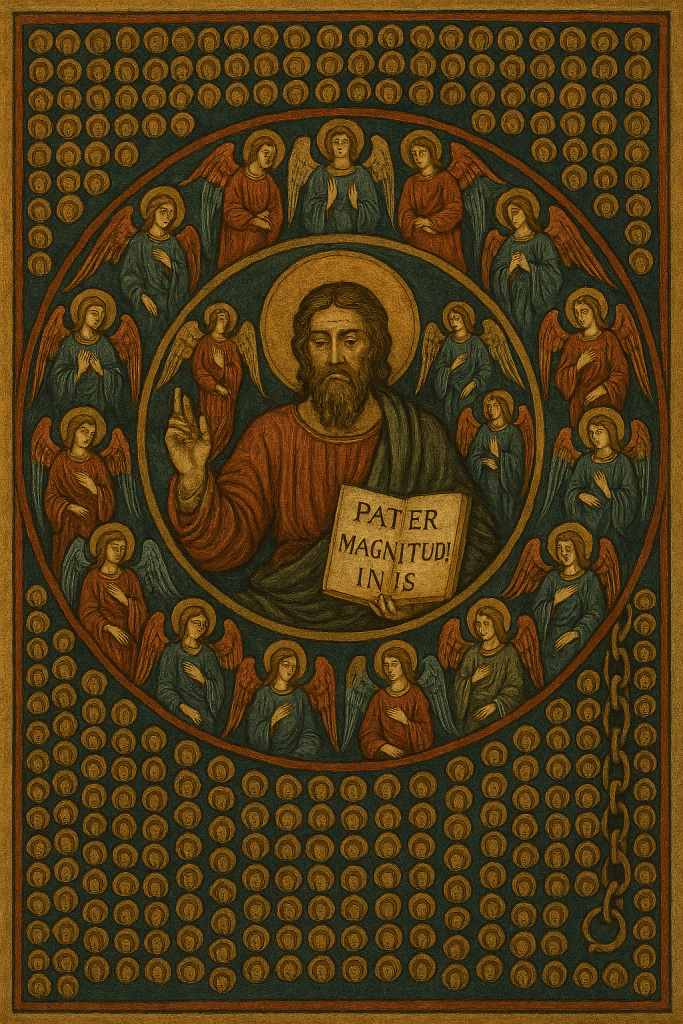
Sometimes the transcendent father and the divine mother produce a child in spiritual love. Often the aeons are identified as spiritual attributes of the divine, are given names, and are joined together as couples, spiritual lovers in the fullness of the divine. In the Mandaean divine world the great life is surrounded by other lives and a host of Jordans, or heavenly waters; in the
Manichaean kingdom of light the father of greatness is surrounded by 12 aeons and 144 aeons of aeons; and in the Mother of Books the exalted king is surrounded by seas, angels, lights, and colors.
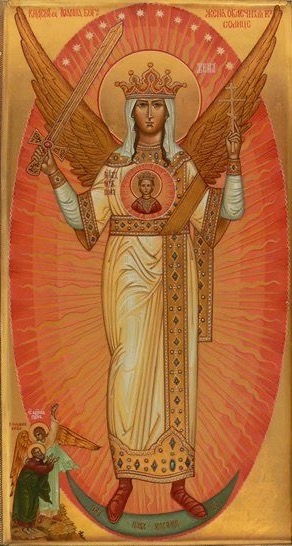
Among the aeons and manifestations of the divine is often a figure who represents the divine in this world, fallen from the light above yet present as the light of god with us and in us. In many gnostic texts this is the figure called Sophia or wisdom, as mentioned above. In Valentinian traditions two forms of wisdom are evident, a higher wisdom called Sophia and a lower wisdom called Achamoth. Wisdom is closely linked to Eve in the creation stories, and Eve is portrayed as the mother of the living and a revealer of knowledge. Wisdom may also be linked to the gnostic revealer, and wisdom may take part in the process of salvation. In the Gospel of John and other texts the divine logos, or word, plays a similar role. Such is also the case with Ruha, the spirit, in Mandaean texts, and perhaps Salman, including great Salman and lesser Salman, in the Islamic Mother of Books.
As noted, the demiurge or creator of this world is commonly distinguished from the transcendent deity in gnostic texts. The demiurge is ignorant, tragic, megalomaniacal. In the Secret Book of John he is depicted as the ugly child of Sophia, snakelike in appearance, with the face of a lion and eyes flashing like bolts of lightning. He is named Yaldabaoth, Sakla, Samael, and he is the chief archon and an arrogant, jealous god. In the Gospel of Truth error behaves like the demiurge, for it becomes strong and works in the world, but erroneously.
Similar, too, are the actions of nature in the Paraphrase of Shem, Ptahil in Mandaean literature, the five evil archons in Manichaean literature, Azazi’il in the Mother of Books, and Lucifer or Satan among the Cathars.
The gnostic revealer awakens people who are under the spell of the demiurge. Within a Jewish context the gnostic revealer is Seth, the child of Adam and Eve, or Derdekeas, probably Aramaic for “male child,” or the first thought or the afterthought or the wisdom of the divine.
Within a Christian context the revealer is Jesus the anointed, within a Manichaean context Jesus of light, as well as others. More abstractly, the call to revelation and knowledge, the wake-up call, is a winged divine messenger in the Song of the Pearl, instruction of mind in Hermetic literature, and enlightened Manda dHayye, knowledge of life, in Mandaean literature. In other words, the call to knowledge is the dawning of awareness, from within and without, of “what is, what was, and what is to come.” It is insight. It is gnosis.In gnostic literature those who come to knowledge are described in different ways.
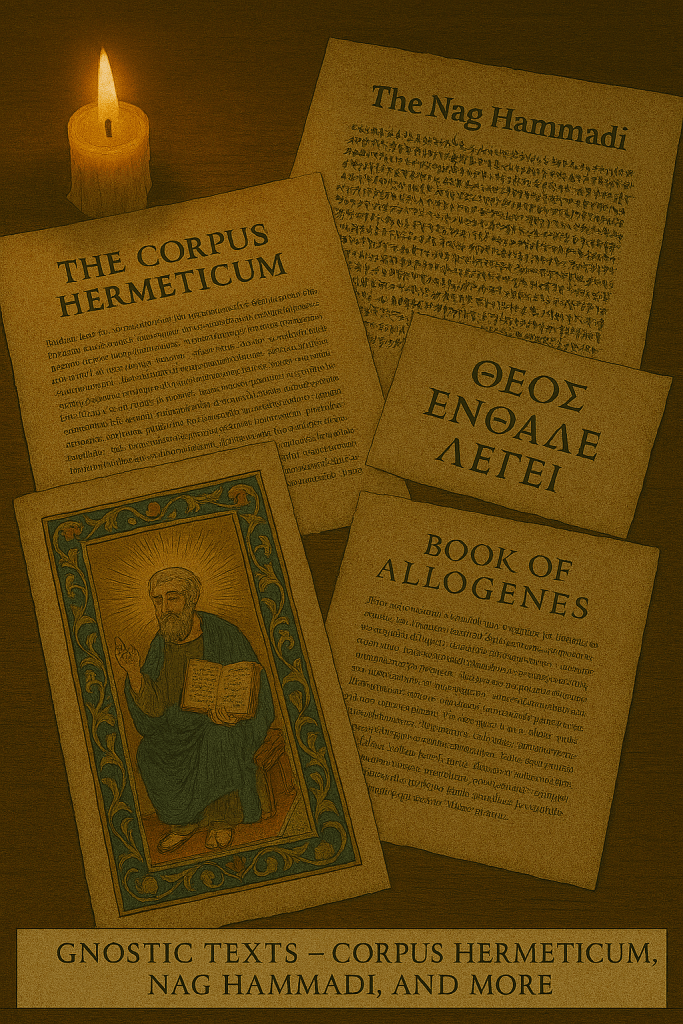
The sacred texts presented in this volume all help to clarify what gnosticism is and who the gnostics were. The similarities and differences among these texts are equally instructive, as are the connections among them, whether historical or phenomenological. The early “wisdom gospels” of Thomas and John, both perhaps dating from the first century CE, portray Jesus as a speaker of wise words or even as the divine word itself, which is itself “wisdom.”
Works Cited:
The Gnostic Bible by Willis Barnstone and Mavin Meyer (2003) Shambhala Publications
Here’s a structured guide to key terms and groups related to Gnostic traditions and cosmology:
🧠 Core Concepts
- Gnosticism — A diverse set of religious and philosophical movements from the early centuries CE that emphasized gnosis (esoteric spiritual knowledge) as the path to salvation. Gnostics typically viewed the material world as flawed or evil, created by a lesser deity (the Demiurge), and sought liberation through inner enlightenment. Wikipedia
- Gnostic — A follower or adherent of Gnostic beliefs. The term comes from the Greek gnōstikos, meaning “one who knows.” Gnostics often rejected institutional religious authority in favor of personal mystical insight.
- Gnosis — Spiritual knowledge or insight into divine truths, especially the recognition of the soul’s divine origin and its entrapment in the material world. Gnosis is experiential and transformative, not merely intellectual.
🕊️ Historical Gnostic Traditions
- Mandaeans — An ancient Gnostic sect still surviving in Iraq and Iran. They revere John the Baptist and practice frequent ritual baptisms. Their cosmology includes a dualistic struggle between light and darkness, and they reject Jesus as a false messiah. Britannica +1
- Manichaeans — Founded by Mani in the 3rd century CE, this global religion combined elements of Christianity, Zoroastrianism, and Buddhism. It taught a radical dualism between the realms of light and darkness, with salvation achieved through spiritual purification and knowledge. Wikipedia
- Islamic Gnostics — While not a formal sect, certain Islamic mystical traditions (especially within Sufism and Ismailism) adopted Gnostic-like ideas, such as hidden knowledge, cosmic dualism, and the soul’s ascent through spiritual realms. These ideas were often expressed through allegory and esoteric interpretation of scripture.
- Cathars — A medieval Christian dualist movement in southern France (12th–14th centuries) that echoed Gnostic themes. They believed in two opposing principles (good and evil), rejected the material world, and emphasized spiritual purity. The Catholic Church condemned them as heretics.
🧬 Mythic Figures and Cosmology
- Sophia of Wisdom — A central figure in many Gnostic myths, representing divine wisdom. Sophia often falls from the pleroma (realm of light) and inadvertently gives rise to the Demiurge. Her story symbolizes the soul’s descent into matter and its longing for reunion with the divine.
- Demiurge — The creator of the material world in Gnostic cosmology, often portrayed as ignorant or malevolent. He is distinct from the true, unknowable God and is sometimes identified with the Old Testament deity. The Demiurge traps souls in physical bodies and illusions.
- 12 Aeons — Divine emanations or attributes of the supreme God, often arranged in pairs. In some Gnostic systems, these aeons form the pleroma and represent aspects of divine fullness, such as Truth, Grace, and Wisdom.
- 144 Aeons of Aeons — A symbolic expansion of the aeonic hierarchy, representing vast multiplicity and cosmic order. This number may reflect mystical numerology or the idea of nested spiritual realms, especially in Manichaean or apocalyptic contexts.
 Destiny, The Open Door
You must be logged in to post a comment.